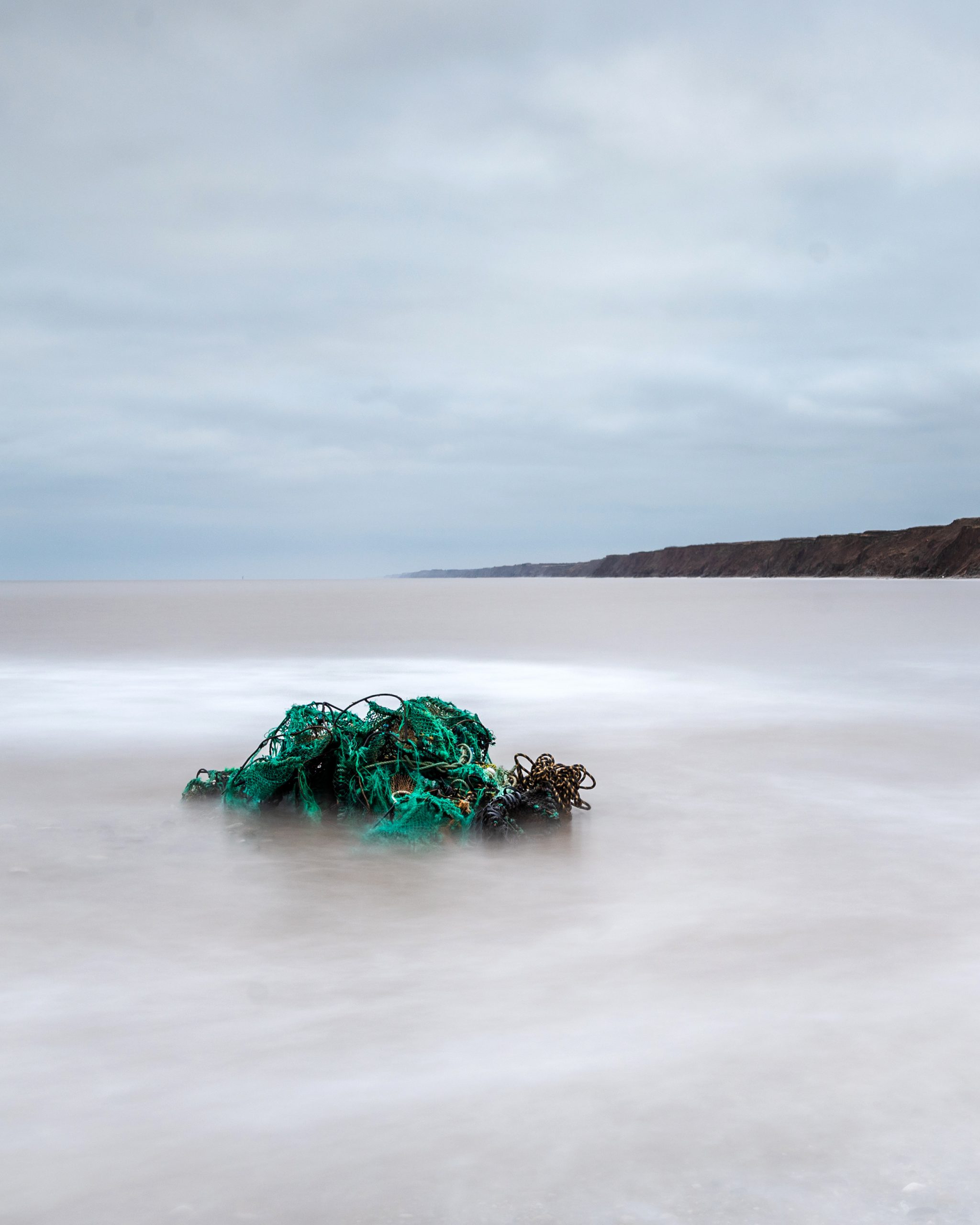
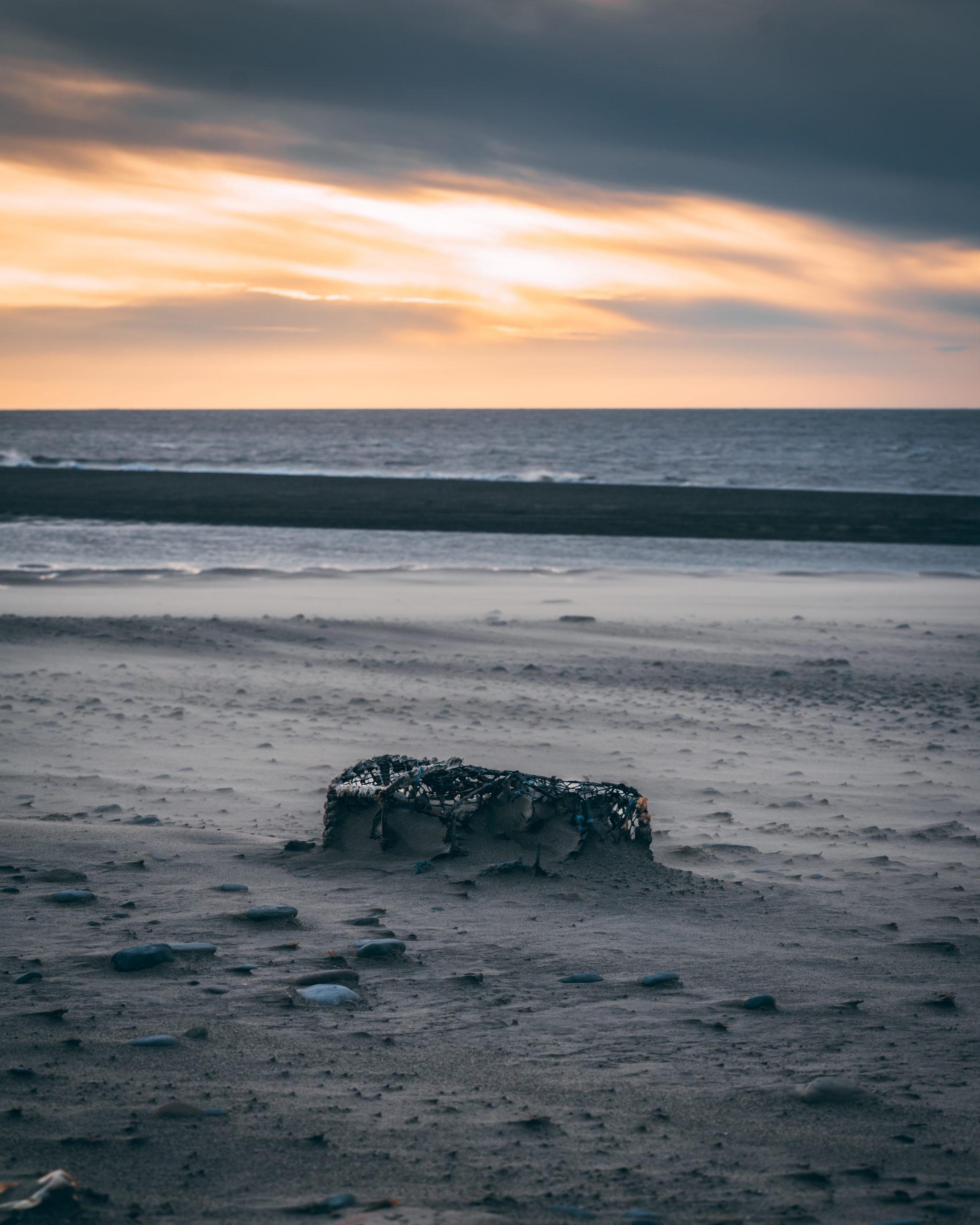
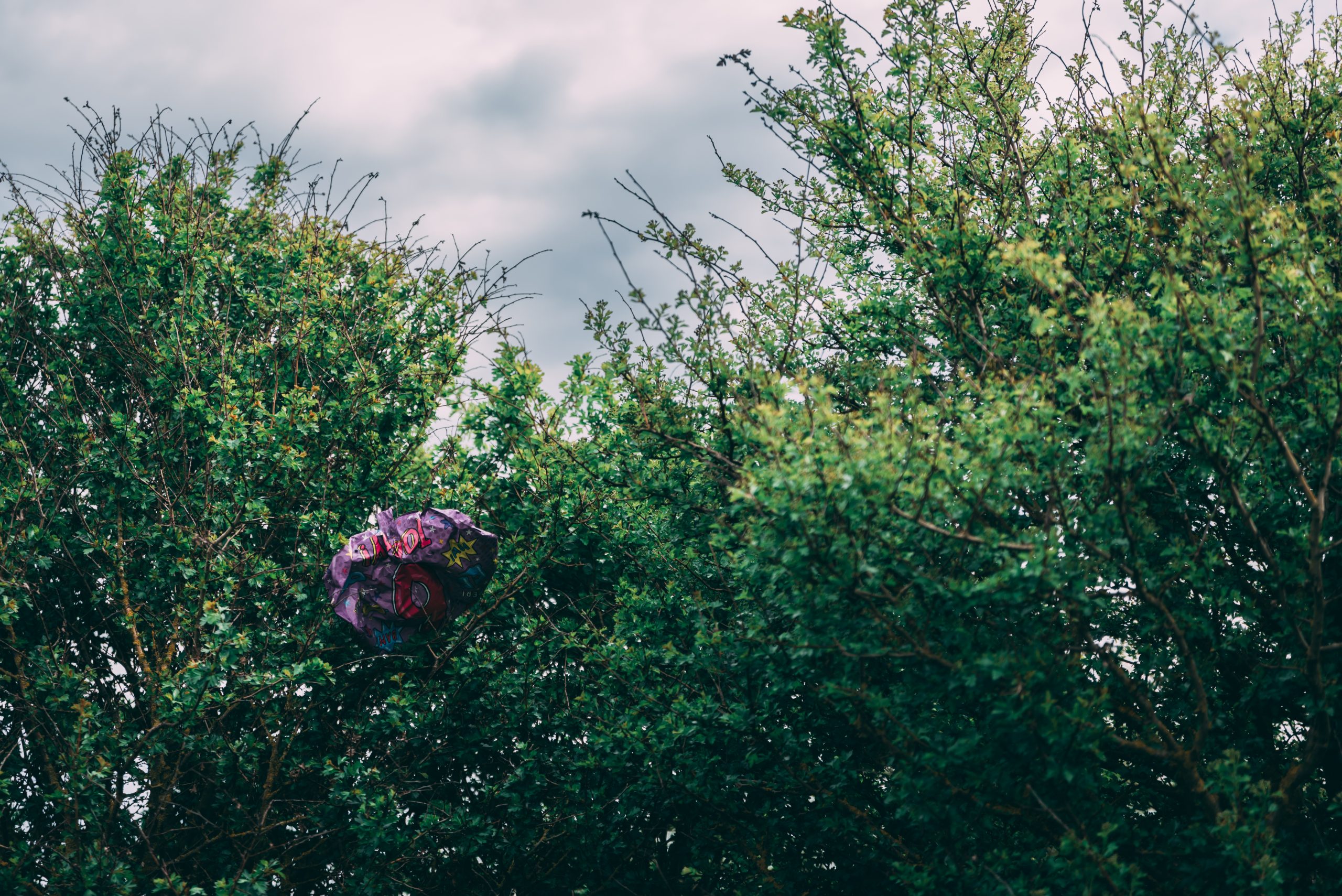
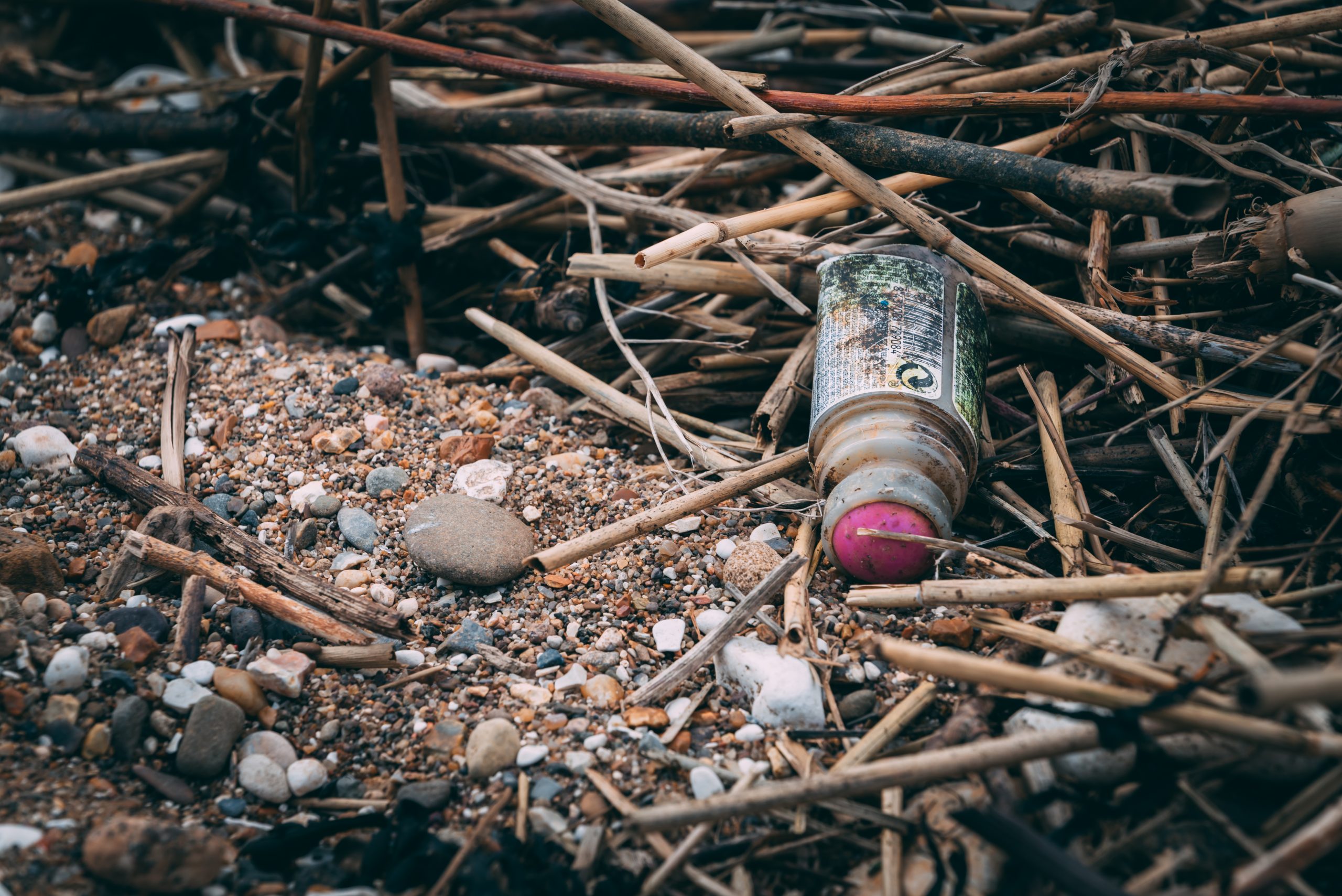
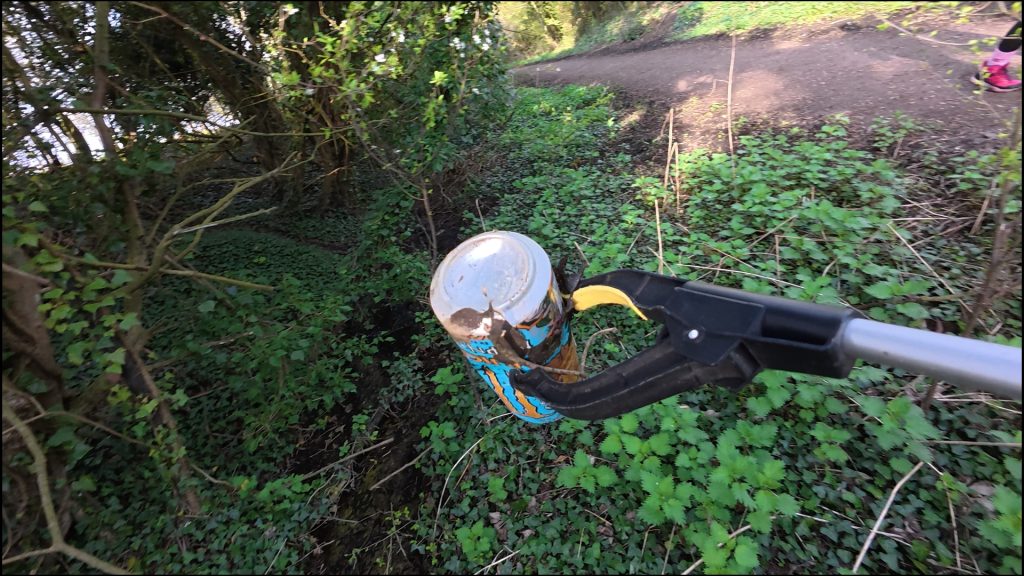
“Wounds of the Wild: The Lasting Mark of Human Neglect” is a bold and emotional visual storytelling project. It highlights the environmental damage caused by human carelessness. Through striking photography and thought-provoking narratives, this project delves into the scars left behind by our waste. For instance, it reveals discarded coffee cups on forest trails, plastic bottles strewn across beaches, and other traces of neglect.
These images serve as a powerful and sobering reminder of the choices we make, and how they impact the landscapes we cherish. Furthermore, by uncovering the lasting harm caused by human actions, the project seeks to inspire change. It encourages individuals to rethink their behavior and take responsibility for protecting and respecting nature.
These wounds serve as a sobering reminder of the choices we make and their consequences on the landscapes we treasure. By exposing the lasting damage caused by human actions, the project aims to inspire a shift in perspective and behavior, encouraging individuals to take responsibility for preserving and respecting nature.
In a study submitted in February 2026, Almost half of UK adults (49%) admitted to littering in the past 12 months.
Littering cost UK tax payers approximatly £1 Billion per year
*Keep Britain Tidy
You don’t need to be an environmental expert, join a conservation group or dedicate your life to protecting nature to have a positive impact.
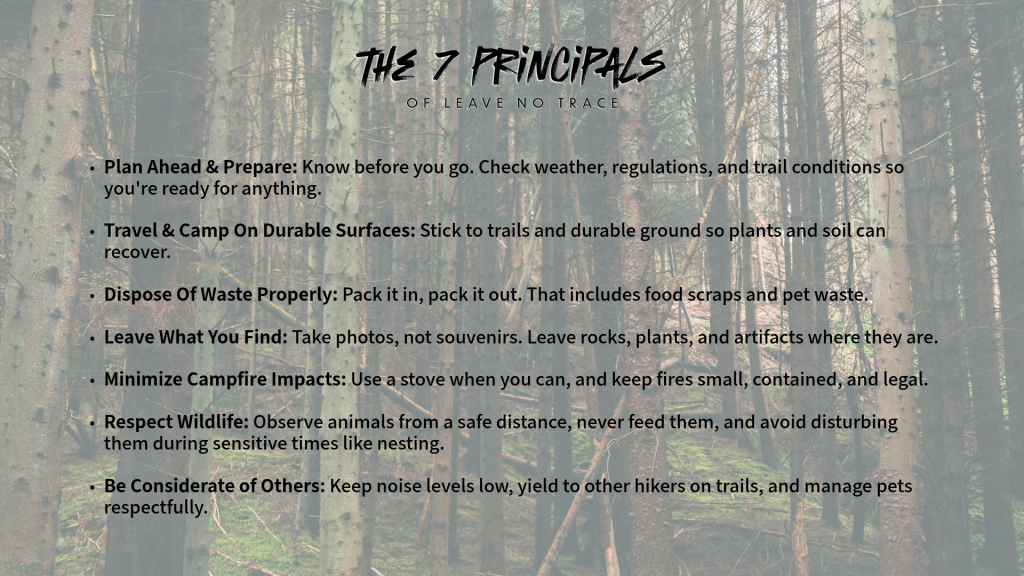
Sometimes it starts with something as simple as picking up a piece of litter, staying on the path, giving wildlife some space or taking your rubbish home with you.
It might be choosing to repair something rather than replace it, thinking twice before buying something you don’t really need, or simply taking a little more care when you’re out exploring.
None of these things feel particularly significant on their own, but they all add up. If more of us made small, positive choices whenever we could, the cumulative impact could be considerable.
You don’t have to do everything or get it right every time. Just do what you can.
UK households use an estimated 13 billion to 14 billion plastic bottles every year, with roughly 5.7 Billion bottles (about 41% to 60% depending on collection and recycling metrics) failing to be collected for recycling annually